// soil
Soil preparation for native beds
Why native plantings usually skip heavy amendments, how to test and read your soil, and what to do with compacted or disturbed ground.
Read the guideNative landscaping reference
A working reference on native plant landscaping across Canada's hardiness zones — how to read your zone, prepare soil, time planting, and choose species that hold up with little supplemental water.
Hardiness zones
Canada's plant hardiness map runs from Zone 0 in the coldest parts of the North to Zone 9 in the mildest coastal pockets of Vancouver Island. Each major zone is split into subzones a and b, where a is the harsher half. The map combines several climate factors — winter cold, precipitation, frost duration and wind — rather than minimum temperature alone.
| Zone range | General character | Planting note |
|---|---|---|
| 0 – 2 | Coldest northern and high-elevation areas | A narrow palette of the hardiest shrubs and ground-layer plants |
| 3 – 4 | Prairie and much of inland Canada | Many tallgrass and meadow natives establish well here |
| 5 – 6 | Southern Ontario, Quebec valleys, parts of the Maritimes | The broadest range of native perennials and shrubs |
| 7 – 9 | South coastal British Columbia | Mild winters widen the list, including some species not hardy elsewhere |
Local factors the map cannot capture — slope, shelter, snow cover and soil drainage — often matter as much as the printed zone. Treat the zone as a starting filter, then match plants to the actual light and moisture of the bed.
Guides
Each guide stays practical: what to do, when, and why it suits low-irrigation native plantings in a Canadian context.
// soil
Why native plantings usually skip heavy amendments, how to test and read your soil, and what to do with compacted or disturbed ground.
Read the guide// timing
Spring versus fall planting, dormant seeding, and how frost duration in your zone shapes the calendar for perennials and seed.
Read the guide// species
A short list of deep-rooted natives that hold up through dry spells once established, with the wildlife each tends to support.
Read the guideWhy native

Plants grown from local provenance have adjusted over time to regional climate, moisture and soil, so they generally need little fertilizer or supplemental water once established.
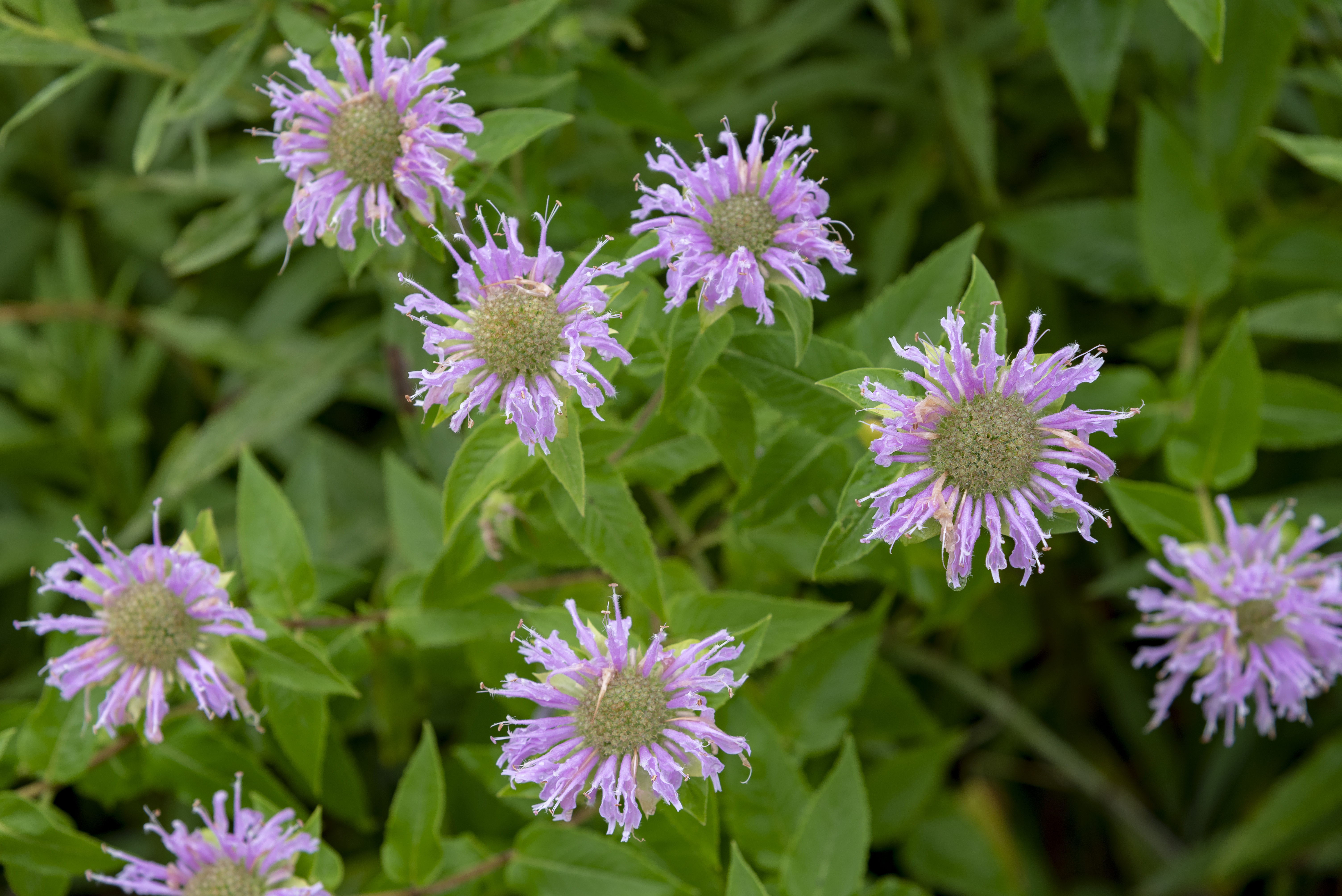
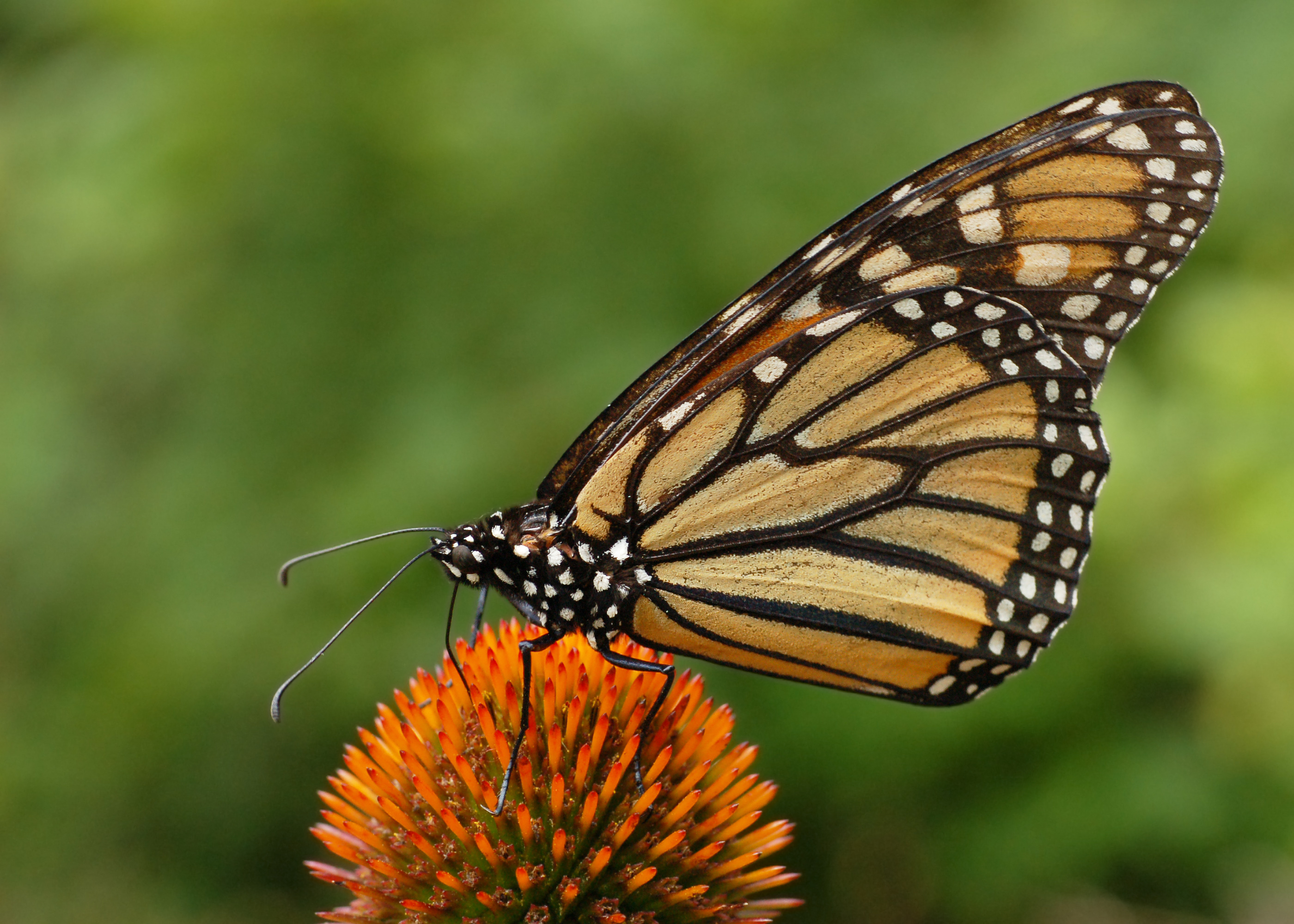
Native flowers offer nectar and pollen on a schedule local insects evolved alongside. Milkweeds, in particular, are host plants for monarch caterpillars.

A well-matched planting fills in, shades the soil and competes with weeds, which usually reduces watering and maintenance over the seasons that follow.
Contact
Use the form for questions about the reference content on this site. Fields are validated in your browser; nothing is transmitted to a server.
Reference
This is an informational reference site. The guidance here is general and not a substitute for advice tailored to your property.
Sources
Hardiness data follows the Government of Canada plant hardiness program; naturalization guidance draws on Nature Canada and regional conservation authorities.
Updated
May 2026