
The plants below are widely grown sun-loving natives associated with meadow and prairie communities in much of central and eastern Canada. Once established, deep-rooted perennials like these generally manage dry spells without supplemental watering. Always confirm a species fits your hardiness zone and source it from a nursery growing local provenance rather than collecting from the wild.
Native plants should not be dug from natural areas. Many wild populations are already under pressure from habitat loss; the best source is a local nursery propagating plants of regional origin.
Purple coneflower — Echinacea purpurea
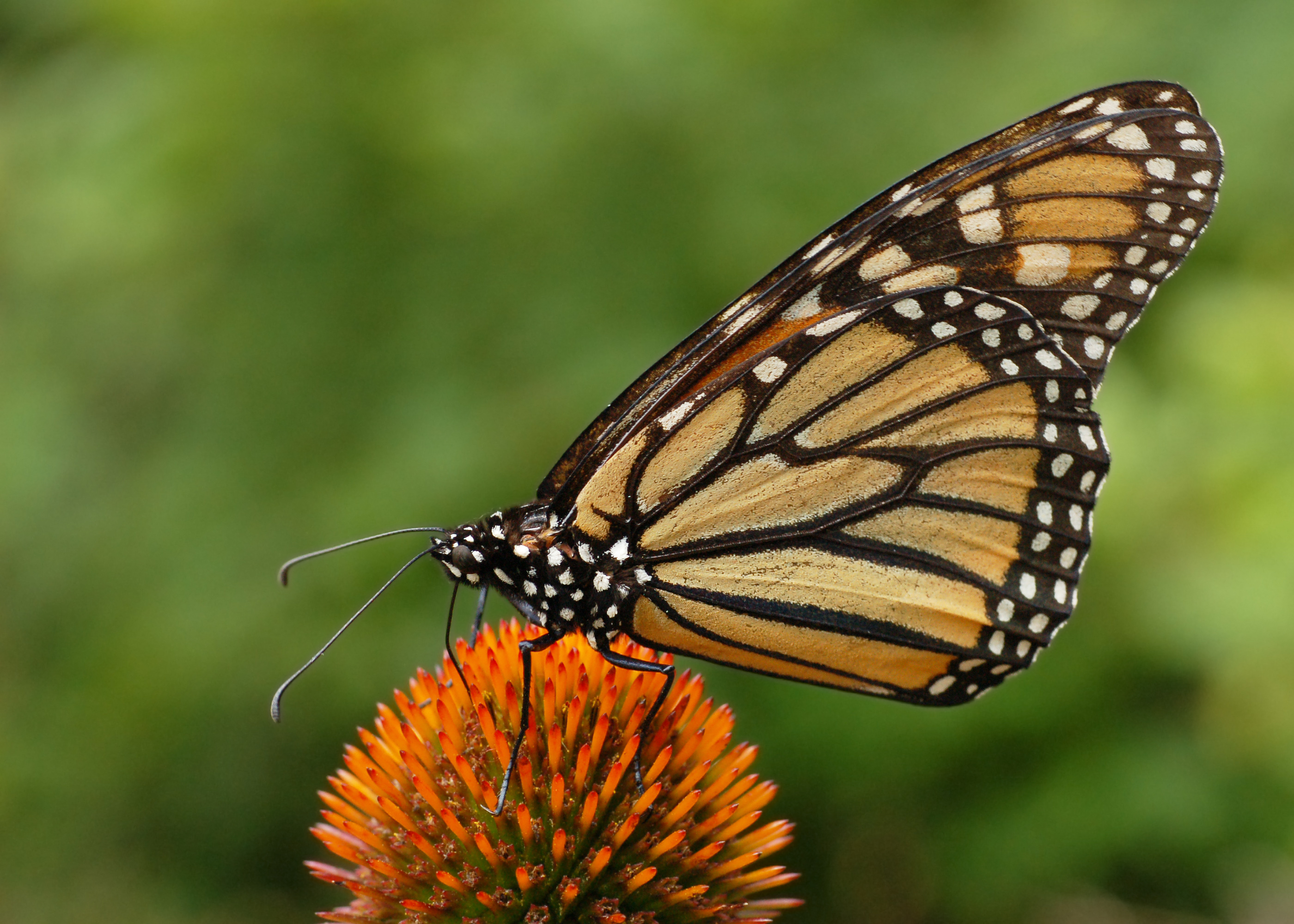
A sturdy upright perennial for full sun and lean, well-drained soil. Its stiff stems and daisy-like blooms feed a range of pollinators, and seed heads left standing through winter provide food for birds. It pairs well with grasses in a meadow-style bed.
Wild bergamot — Monarda fistulosa
A mint-family perennial with lavender flower heads and aromatic foliage. It tolerates dry, open sites and is a strong nectar source for bees and other pollinators through mid-summer. Good airflow keeps its foliage healthy in a dense planting.
Black-eyed Susan — Rudbeckia hirta
A short-lived but free-seeding perennial that establishes quickly and fills gaps while slower neighbours mature. It handles heat and dry sun, making it useful on exposed sites and a reliable source of late-summer colour and pollen.
Swamp milkweed — Asclepias incarnata

Unlike the others, this milkweed prefers consistent moisture and suits damp edges, rain gardens and low spots rather than dry beds. It is included as a host plant for monarch caterpillars, a reminder to match each species to the conditions it actually wants.
Placing species by condition
- Group the dry-sun natives together where the soil drains fast and sun is strong.
- Reserve moisture-loving species like swamp milkweed for low or damp areas.
- Use the hardiness map and species-specific maps on the Government of Canada site to confirm a plant suits your area before buying.
Once you have a plant list, set the timing with seasonal planting windows, and prepare the ground using soil preparation for native beds.